From chronic back pain to migraines and fertility — modern research now supports what TCM physicians have practised for two millennia.
Acupuncture is one of the oldest continuous medical practices in the world, with documented use across China for more than 2,500 years. In Singapore, it is a regulated practice under the Ministry of Health, with practitioners required to register with the TCM Practitioners Board.
What makes acupuncture remarkable is not just its longevity, but the growing body of modern clinical research validating its mechanisms. Functional MRI studies have shown that needling specific acupoints modulates the central nervous system, releasing endogenous opioids and calming overactive pain pathways.
Below are seven conditions where the evidence for acupuncture is strongest, and where we routinely see meaningful improvement in our patients at Yang Zheng Tang.
1. Chronic lower back pain — Multiple randomised controlled trials and the NICE guidelines (UK) now recommend acupuncture as a first-line option.
2. Migraine and tension headaches — A 2016 Cochrane review concluded that acupuncture reduces migraine frequency at least as effectively as prophylactic drug therapy, with fewer side effects.
3. Knee osteoarthritis — Recommended by the American College of Rheumatology as a non-pharmacological intervention.
4. Female fertility support — Particularly when combined with IVF, acupuncture has been shown to improve implantation rates and reduce stress.
5. Insomnia and sleep disturbance — Calms the Shen (spirit) and rebalances autonomic tone.
6. Post-stroke rehabilitation — Improves motor recovery and reduces spasticity when started early.
7. Chemotherapy-induced nausea — Endorsed by the WHO and integrated into many oncology centres worldwide.
If you are considering acupuncture, the most important factor is the experience and training of your physician. At Yang Zheng Tang, every treatment is performed by Dr. Zhong Weiliang personally — a PhD physician with over four decades of clinical practice.
Frequently Asked Questions
Does acupuncture hurt?
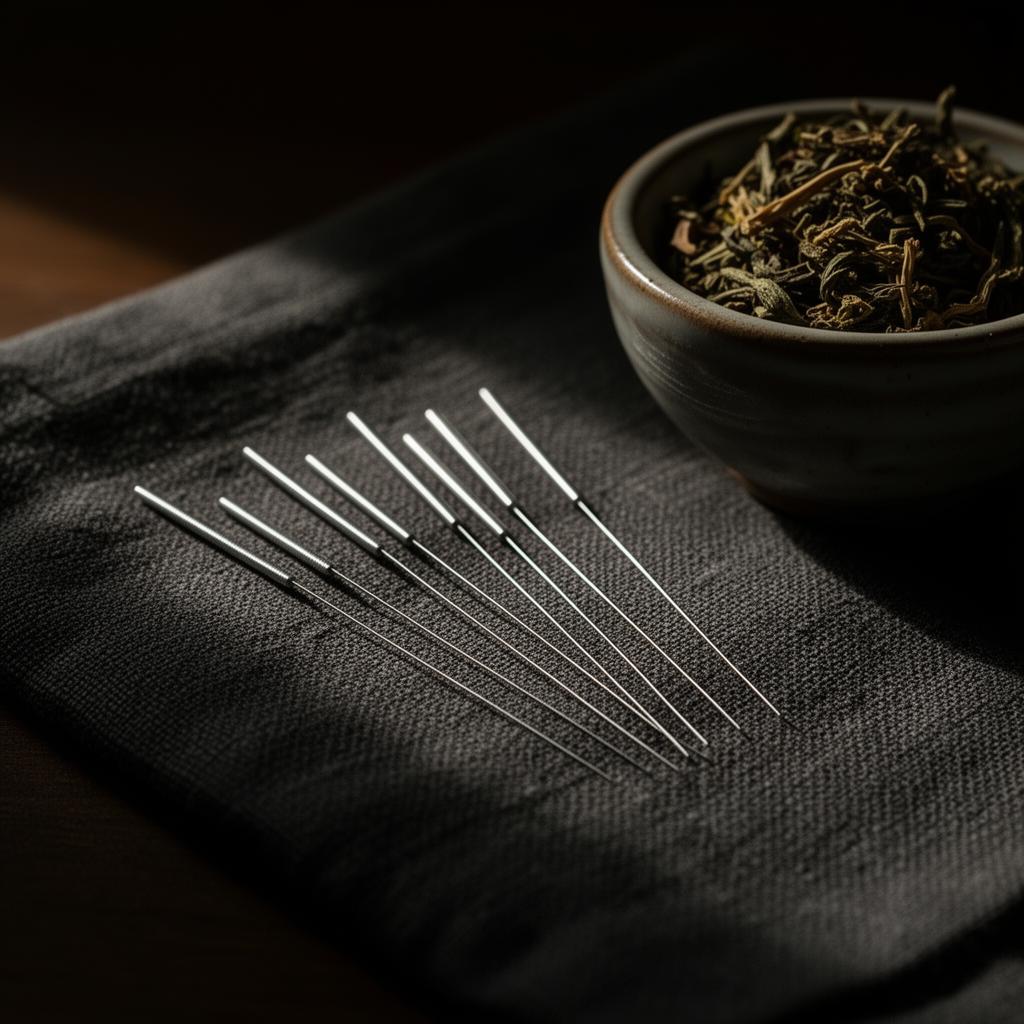
Most patients feel a brief, dull sensation when the needle reaches the acupoint — described as a 'heaviness' rather than pain. Needles are single-use, sterile, and very fine (about the diameter of a human hair).
How many sessions will I need?
Acute conditions often respond in 3–6 sessions. Chronic conditions typically benefit from a course of 8–12 weekly sessions, followed by maintenance care.
Is acupuncture safe alongside Western medicine?
Yes. Acupuncture is widely used as a complement to conventional care in Singapore's hospitals, especially for pain management, oncology support and rehabilitation.
Speak with Dr. Zhong directly
If anything in this article speaks to your situation, book a one-to-one consultation. Every visit is with our PhD physician personally.
Book Appointment →